
Understanding Clay Sewer Lines
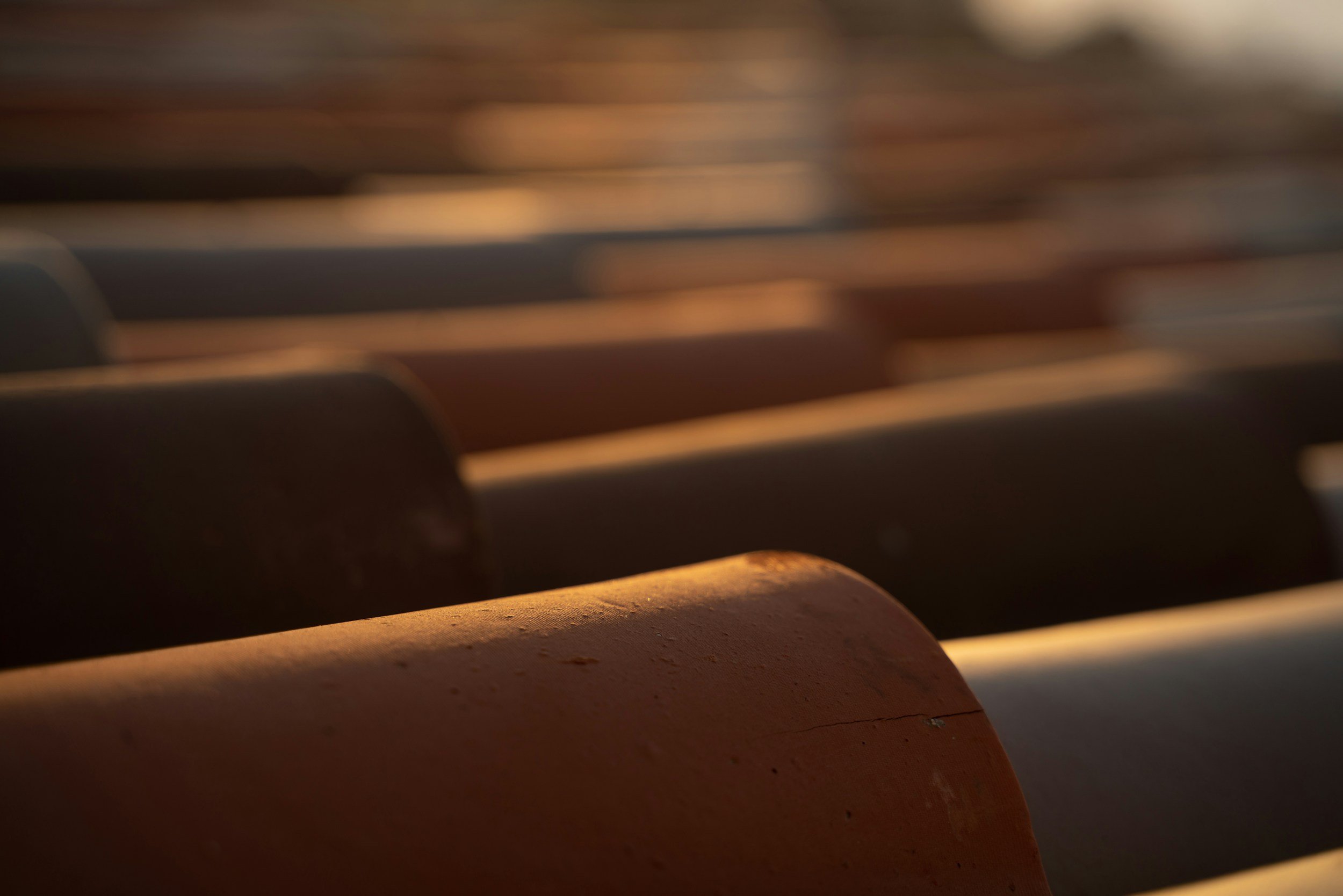
Clay sewer pipes have been used in residential sewer systems for well over 100 years and can still be found in many homes built before the 1970s. While clay is durable and resistant to corrosion, it is also a rigid material that becomes more susceptible to damage as it ages.
A properly installed clay sewer line can last 50 to 100 years, but factors such as ground movement, tree roots, and normal wear can shorten its lifespan. Because the pipe is made up of short sections joined together, the joints are common entry points for tree roots seeking moisture. Over time, root intrusion, offset joints, circumferential cracking, and mineral buildup can develop, increasing the likelihood of blockages and costly repairs.
The good news is that not every clay sewer line needs to be replaced. Many older clay lines continue to function well with routine maintenance and periodic inspections. Professional cleaning can remove root intrusion and mineral buildup, helping to keep the line flowing properly. Regular sewer camera inspections also allow small problems to be identified before they become major failures.
If you're purchasing a home with a clay sewer line, a sewer camera inspection is one of the best investments you can make. Most home inspections do not evaluate the underground sewer line, and repairs can often cost thousands of dollars. Knowing the condition of the sewer line before closing gives you the opportunity to make an informed decision and avoid unexpected expenses.
