
When should I consider getting a sewer scope inspection?
A sewer scope inspection is one of the most valuable services a homeowner can invest in. While sewer lines are out of sight, problems within the main sewer line can lead to costly repairs, property damage, and unexpected plumbing emergencies. A sewer scope uses a specialized camera to inspect the inside of the sewer line and identify issues before they become major problems.
When Purchasing a Home

One of the most important times to perform a sewer scope is during a real estate transaction. A standard home inspection does not evaluate the condition of the underground sewer line. A sewer scope can reveal hidden defects such as root intrusions, offset joints, bellies, cracks, or deteriorated piping that could result in thousands of dollars in repairs after closing.
Older Homes
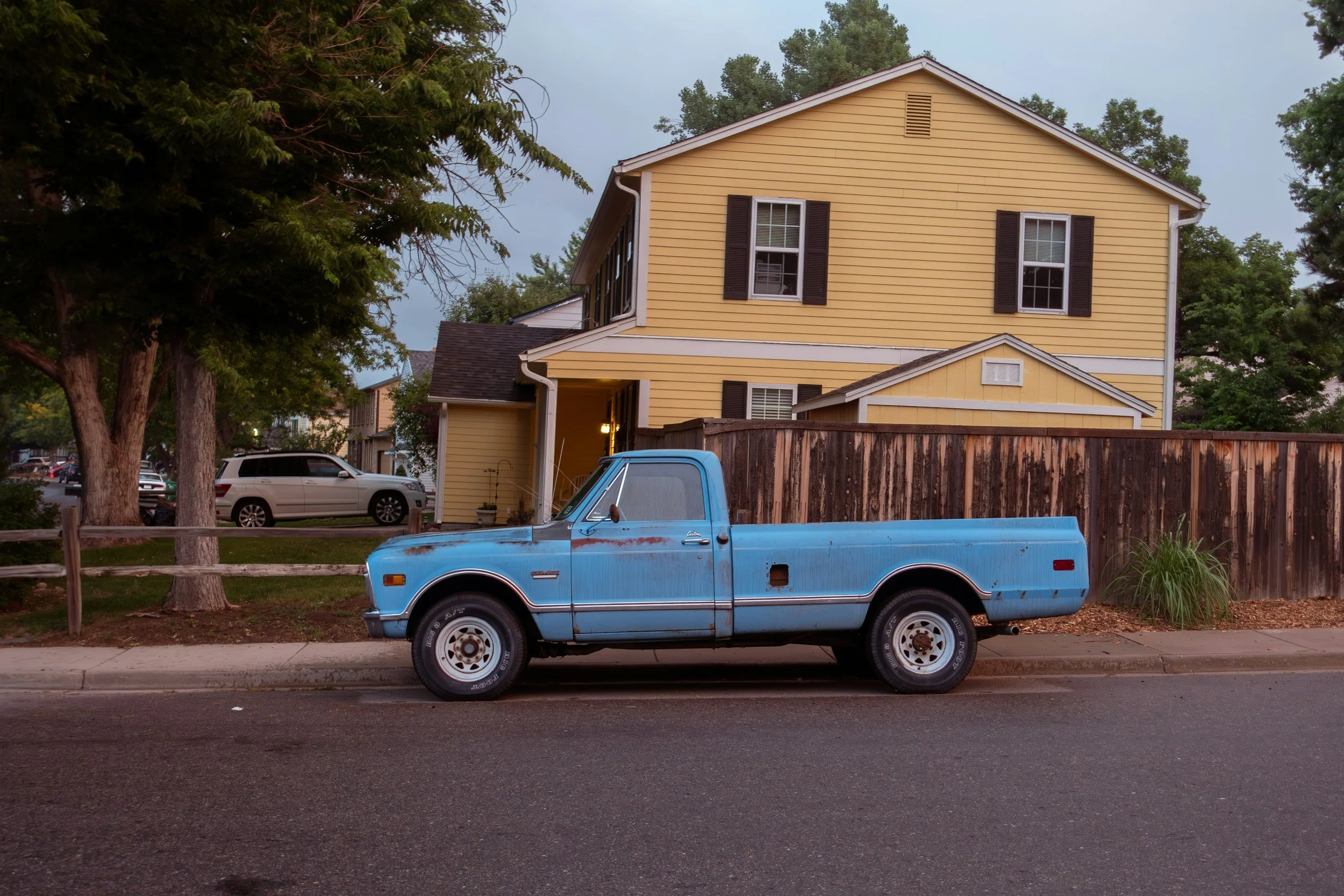
Homes built before the 1980s commonly contain clay, cast iron, Orangeburg, or concrete sewer lines. These materials can deteriorate with age and may be prone to root intrusion, corrosion, or structural failure. A sewer scope can help determine the condition of these aging systems.
Properties With Trees

Large trees and mature landscaping can be a warning sign for potential sewer line issues. Tree roots naturally seek out moisture and can enter sewer lines through small cracks, separated joints, or deteriorated connections. This is especially common in clay sewer lines where roots often enter at pipe joints. Even if no backup has occurred, a sewer scope can determine whether roots are already present within the line.
Homes With Extensive Concrete
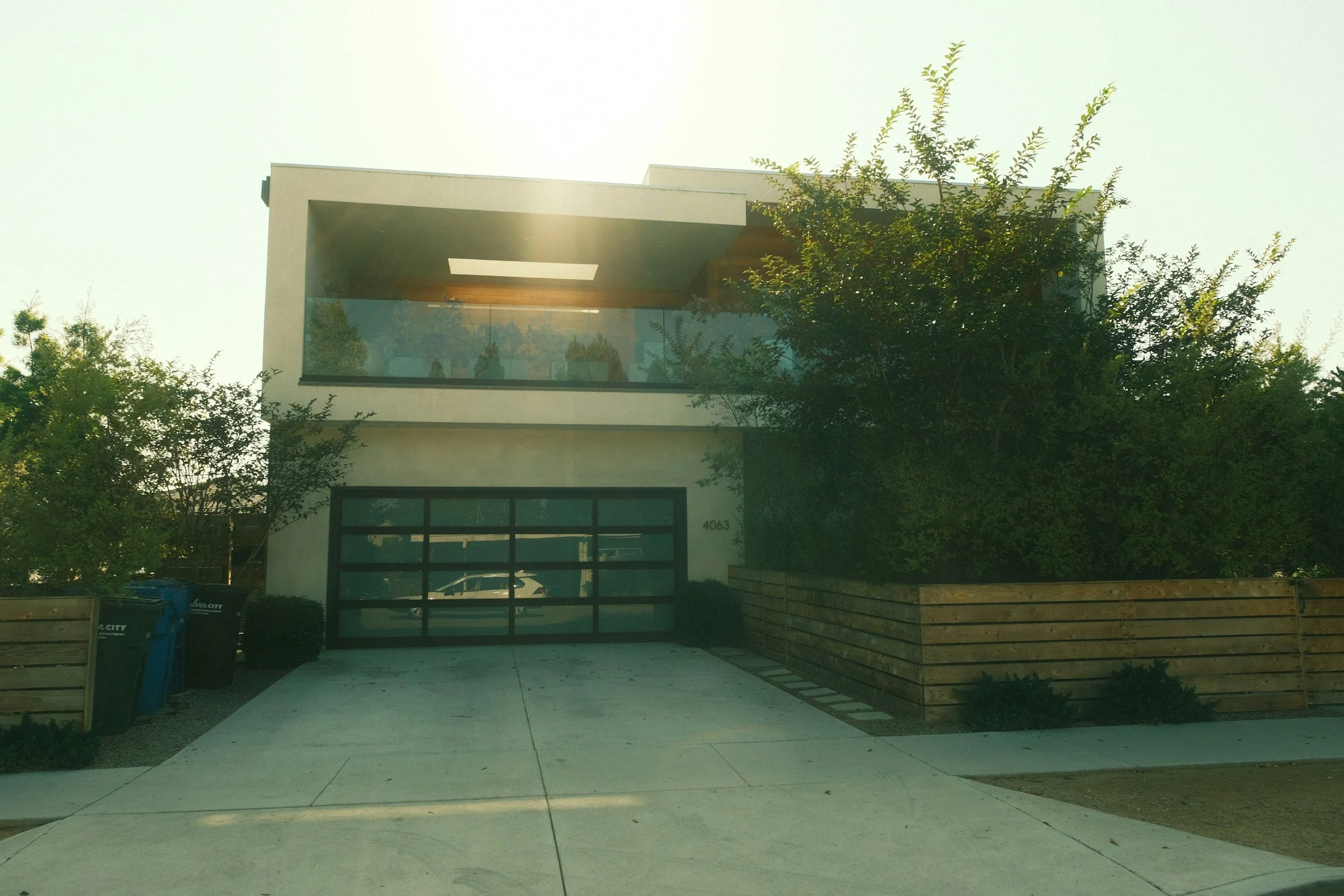
Properties with long driveways, sidewalks, patios, garages, or other concrete surfaces above the sewer line should strongly consider a sewer scope inspection. If a sewer line develops a defect beneath concrete, repairs can become significantly more expensive due to the additional labor required to remove and replace the concrete. Identifying issues early may allow homeowners to address problems before a complete failure occurs.
